Black Sea Coastal Zone - Georgia's maritime wine corridor
Key facts
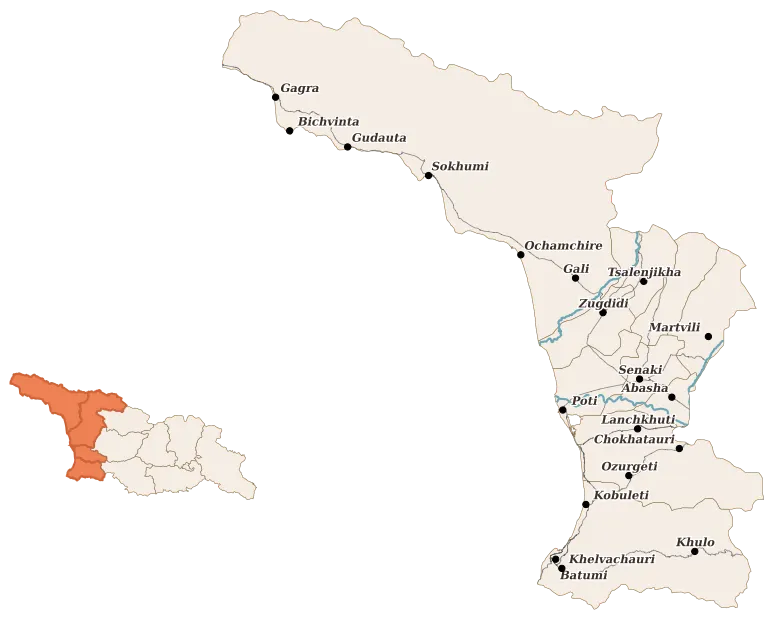
- Georgia's Black Sea Coastal Zone includes Adjara, Guria, Samegrelo (Mingrelia), and Abkhazia in a historical and viticultural sense
- Vineyards are generally low-lying, from near sea level up to about 500 meters in inland foothills
- Climate is humid subtropical, with high rainfall, mild winters, and temperature moderation from the sea
- Soils are often clay-based or alluvial, with good fertility but high moisture retention
- Wines here tend to emphasize freshness, aroma, and drinkability rather than structure or long aging
Landscape & climate
This zone stretches along Georgia's western edge, where the Black Sea shapes a landscape of coastal plains, river valleys, and gentle hills rising inland.
Warm, moisture-laden air, frequent rainfall, fog, and river influence define the vineyard environment. Winter frosts are rare, but humidity is constant.
Summers are warm and often humid, though sea breezes help moderate extreme heat. Vineyard health depends heavily on drainage, airflow, and attentive canopy management.
Growers favor slopes and well-ventilated sites, using leaf thinning and careful spacing to reduce disease pressure and preserve fruit purity.
Grape varieties & styles
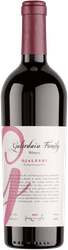
Local varieties adapted to humidity and moderate ripening dominate the coastal zone: Ojaleshi, Chkhaveri.
Wine styles found here:
- Dry or off-dry whites - aromatic, floral, and refreshing
- Rosés and light reds - bright red fruit, low tannin, easy-drinking character
- Skin-contact / amber whites - made in small quantities, with gentle maceration
- Semi-sweet or off-sweet reds - a local tradition, especially with Ojaleshi
PDOs & appellations
The most recognized protected designation from the coastal zone is: Salkhino Ojaleshi.
Tasting & character
Wines from the Black Sea zone are defined by lightness, aroma, and immediacy rather than power.
- Whites: citrus and stone fruit, floral notes, occasional tropical hints, soft texture, and fresh acidity
- Rosés and light reds: raspberry, strawberry, and red cherry, sometimes with gentle spice and low tannin
- Skin-contact whites: subtle tannins, herbal and tea-like notes, delicate structure
- Reds (especially Ojaleshi): fragrant red fruit, freshness, and restrained sweetness when made semi-sweet
These wines are generally meant to be enjoyed young, highlighting charm and regional character.
Wine tourism & cellars
The Black Sea zone is less visited by wine tourists than eastern Georgia, but interest is growing-especially inland from Batumi and in Samegrelo.
Local cuisine plays a key role: seafood, herbs, citrus, and coastal dishes pair naturally with the region's lighter wines.
Small producers are actively reviving forgotten grape names, restoring old vineyards, and experimenting with blends and styles suited to the humid climate.