Kartli - Georgia's central terroir of finesse
2 min
Shop Kartli wines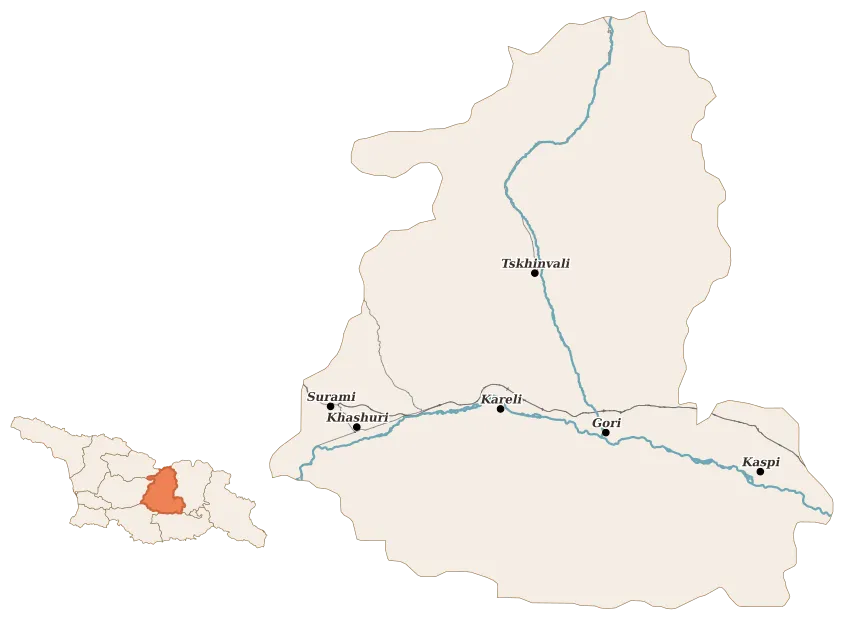
Key facts
- Situated in central Georgia, stretching west and north of Tbilisi, Kartli forms the country's geographic and cultural core
- The climate is cooler and more continental than Kakheti, with greater temperature variation across sites
- Soils are dominated by limestone, marl, and clay, contributing freshness, structure, and mineral expression
- Vineyards are typically planted between 300 and 700 meters above sea level
- The best-known PDO is Atenuri, historically associated with high-acid whites and sparkling wines
Landscape & climate
Kartli lies at the crossroads of eastern and western Georgia, with rolling hills, river valleys, and uplands that gradually rise toward the Greater Caucasus.
The region experiences a distinctly continental influence: cold winters, warm summers, and marked day-night temperature shifts. Slope orientation and elevation play a critical role in ripening dynamics.
Rainfall is generally moderate, and natural drainage is aided by limestone and marl subsoils. These conditions reduce disease pressure and help preserve acidity in the grapes.
As a result, Kartli favors varieties that retain freshness and aromatic clarity, particularly on higher or north-facing sites where ripening is slower and more even.
Grape varieties & styles
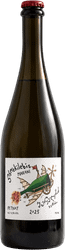
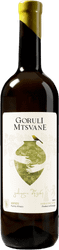
Key grape varieties in Kartli include: Goruli Mtsvane, Rkatsiteli, Tavkveri.
Typical wine styles:
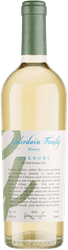
- Dry white wines - crisp, terroir-driven, mineral, with light to medium body and clean structure
- Sparkling wines - produced using both traditional and tank methods, supported by naturally high acidity
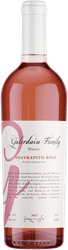
- Rosés and light reds - delicate styles made primarily from Tavkveri, with bright fruit and restrained tannin
- Selective skin-contact whites - produced by small, experimental estates using qvevri or hybrid techniques
PDOs & appellations
Atenuri is the principal PDO associated with Kartli. Its specifications focus on dry white and sparkling styles, with defined grape composition, yield limits, and analytical standards designed to preserve freshness and balance.
Tasting & character
Wines from Kartli are typically characterized by finesse rather than power.
- Dry whites: notes of citrus, green apple, white flowers, and stone fruit, often accompanied by subtle mineral or chalky tones and a fresh finish
- Sparkling and semi-sparkling wines: lively mousse, crisp acidity, precision, and restraint
- Rosés and light reds: red berry fruit, low tannin, gentle spice, and a delicate, food-friendly structure
- Skin-contact whites (when produced): enhanced texture, herbal or tea-like notes, mild tannin, and deeper color
These styles pair naturally with lighter cuisine, seafood, white meats, fresh cheeses, and vegetable-forward dishes
Wine tourism & cellars
Kartli has emerged as a hub for innovation, supported by its proximity to Tbilisi and access to technical expertise, research institutions, and modern infrastructure.
Many producers here balance tradition with experimentation, working across stainless steel, neutral oak, and qvevri, often in small, site-specific bottlings.
The region appeals especially to experienced wine drinkers seeking elegance, structure, and clarity over sheer intensity.