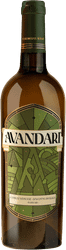
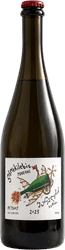
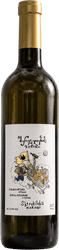
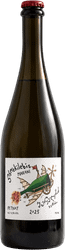
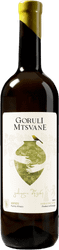
Goruli Mtsvane
Overview
Goruli Mtsvane (გორული მწვანე) is an aromatic white grape native to Kartli, central Georgia. Its name means “green from Gori,” referencing both the grape's color and its geographic origin near the historic city of Gori.
Less internationally known than its Kakhetian cousin Kakhuri Mtsvane, Goruli Mtsvane is nonetheless central to Kartli's winemaking identity, particularly in dry, fresh, and sparkling styles that emphasize precision, balance, and finesse.
Characteristics
The variety buds early and ripens mid-season, forming small, compact clusters of thin-skinned green-gold berries. It prefers well-drained limestone and marl soils, thriving on the slopes and valleys of Shida Kartli and the Ateni gorge.
Goruli Mtsvane retains high natural acidity even in warmer years, giving winemakers flexibility for both still and sparkling wines. The vines are moderately vigorous but sensitive to humidity, requiring careful canopy management for optimal fruit quality.
Wine styles
Goruli Mtsvane wines express the refined side of Kartli - bright, aromatic, and naturally balanced by vivid acidity:
- Dry whites - crisp, floral, and mineral-driven; the most common and representative style
- Sparkling wines - widely used in Kartli's traditional-method production due to high acidity and clean aromatics
- Amber / qvevri wines - rarer, offering gentle tannin, herbal notes, and added texture
- Blends - often paired with Chinuri or Rkatsiteli to add perfume and lift
Taste profile
Goruli Mtsvane wines are precise and aromatic, marked by freshness and elegance:
- Aromas: green apple, lime, gooseberry, white peach, fresh herbs, sometimes floral or grassy notes
- Palate: light- to medium-bodied, high acidity, crisp mineral backbone, clean finish
- Amber versions: dried citrus peel, tea, wildflower honey, and gentle tannic grip
Regions
Regions featuring Goruli Mtsvane: Kartli.
PDO
Ateni PDO - Goruli Mtsvane plays a central role in both dry and sparkling wines, often blended with Chinuri.
Food pairing
Thanks to its freshness and subtle aromatics, Goruli Mtsvane pairs naturally with:
- Seafood and shellfish
- Goat cheese, feta, and citrus-forward salads
- Poultry, especially with lemon or fresh herbs
- Vegetarian dishes featuring mint, basil, or dill
Winemaking notes
Most Kartli producers ferment Goruli Mtsvane in stainless steel at cool temperatures to preserve aromatic clarity. Traditional approaches include qvevri fermentation with minimal skin contact, resulting in pale amber tones and herbal nuance.
Its naturally high acidity makes Goruli Mtsvane especially well-suited to traditional-method sparkling wines, where it delivers finesse, longevity, and structural balance.
Key producers
Notable producers include Iago's Wine, Ori Marani, Château Mukhrani, and numerous small maranis across Shida Kartli exploring both still and sparkling expressions.
Summary
Goruli Mtsvane (გორული მწვანე) reflects the quiet precision of Kartli winemaking - refined, mineral, and aromatic. Whether bottled still or crafted into elegant sparkling wines, it highlights Georgia's capacity for delicacy and modern balance within its ancient viticultural heritage.