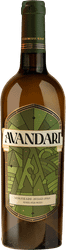
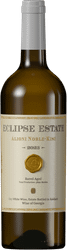
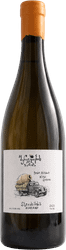
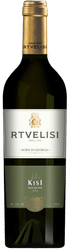
Grapes
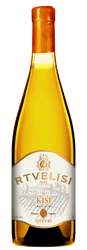
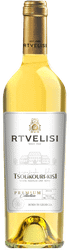
Kisi
3 min
Shop Kisi winesOverview
Kisi (ქისი) is an ancient white grape native to eastern Georgia, especially Kakheti. Once widespread, it nearly vanished during the Soviet era, when vineyard diversity was reduced in favor of high-yield varieties. Over the past two decades, small family wineries and boutique producers have revived it, recognizing its potential for rich, expressive wines.
Today, Kisi is prized for its aromatic intensity, structural depth, and versatility-aromatic like Mtsvane, structured like Rkatsiteli, and capable of striking amber wines when made in qvevri.
Characteristics
Kisi produces small to medium clusters of thick-skinned, yellow-amber berries. Ripening occurs mid- to late-season, on sunny, well-drained slopes. The grape naturally accumulates sugar while maintaining balanced acidity, allowing for both dry and semi-sweet styles without losing freshness.
Vines are moderately vigorous and adaptable, resilient to drought and temperature fluctuations typical of Kakheti's continental climate.
Wine styles
Kisi performs beautifully in both traditional and modern winemaking, offering depth without heaviness:
- Dry whites - balanced, medium-bodied, floral, and mineral; sometimes partially aged in oak or qvevri
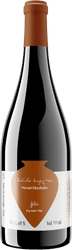
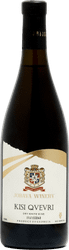
- Amber / qvevri wines - structured, textural, with honeyed, nutty, and spicy undertones
- Semi-sweet styles - small-batch, naturally sweet wines from late-harvest grapes
- Experimental blends - occasionally combined with Mtsvane or Rkatsiteli to enhance complexity
Taste profile
Kisi wines are notable for their interplay of fruit, herbal nuance, and structural balance:
- Aromas: apricot, ripe pear, white peach, honey, wildflowers, chamomile, and citrus peel
- Palate: rounded, medium-bodied texture, moderate acidity, gentle tannin (especially in qvevri wines), and a long finish
- Amber versions reveal orange peel, dried fruit, walnut, subtle spice, and a fine-grained structure
Regions
PDO
While Kisi does not have a PDO of its own, it appears in several Kakhetian PDOs as a permitted variety, including Kardenakhi, Gurjaani, and Tsinandali (often in blends or experimental bottlings).
Food pairing
Kisi's aromatic intensity and structure make it highly food-friendly:
- Roasted poultry, pork, or veal
- Cream-based or nut-based sauces (e.g., satsivi or bazhe)
- Grilled vegetables and mushrooms
- Semi-hard or aged cheeses
Winemaking notes
In qvevri wines, Kisi often undergoes extended skin contact, developing amber hues and a tannic backbone. Modern stainless-steel styles emphasize fruit clarity and floral perfume. It tolerates oak aging well, though it is not required; extended lees contact enhances texture and mouthfeel.
Its natural balance of acidity and sugar makes it forgiving in fermentation and rewarding for longer maturation.
Key producers
Renowned producers include Shalauri Cellars, Pheasant's Tears, Telavi Wine Cellar, and boutique maranis in Akhmeta and Napareuli.
Summary
Kisi (ქისი) represents the revival of Georgia's ancient viticulture: historic, nearly lost, and now central to the country's modern wine identity. With its aromatic charm, depth, and adaptability, it bridges Georgia's centuries-old winemaking craft with contemporary refinement-a grape that rewards both curiosity and patience.