Grapes
Mujuretuli
Overview
Mujuretuli (მუჯურეთული) originates from the mountainous Racha-Lechkhumi zone in northwestern Georgia. Traditionally cultivated alongside Aleksandrouli, it is a late-ripening grape that thrives on Racha's steep slopes, cool nights, and long autumns.
While often overshadowed by Aleksandrouli, Mujuretuli is indispensable to the Khvanchkara blend, contributing freshness, structure, and aromatic lift. When vinified on its own, it produces elegant, light- to medium-bodied reds with vivid acidity and refined balance.
Characteristics
Mujuretuli is thin-skinned and sensitive, best suited to elevations between 450 and 800 meters. It ripens late, typically harvested in October, retaining acidity even at higher sugar levels.
It prefers well-drained, light soils such as limestone, sandy loam, and alluvial terraces. Compared to Aleksandrouli, Mujuretuli is more linear and acid-driven, with less color intensity but greater tension and freshness.
Wine styles
Mujuretuli contributes structure and brightness across several wine styles:
- Naturally semi-sweet reds - As part of the Khvanchkara PDO blend, balancing sweetness with acidity and elegance
- Dry reds - Rare but increasingly explored, offering delicate fruit, freshness, and subtle spice
- Blended mountain reds - Supporting aromatic lift and balance in cool-climate blends
- Qvevri expressions - Earthy and linear, emphasizing minerality and savory nuance
Taste profile
Mujuretuli wines are defined by clarity and freshness:
- Aromas: red currant, sour cherry, wild strawberry, rose petal, light herbal notes
- Palate: light- to medium-bodied, high natural acidity, soft tannins, clean and focused structure
- Semi-sweet versions: bright and refreshing, with restrained sweetness and red-fruit precision
Regions
Regions featuring Mujuretuli: Racha-Lechkhumi.
PDO
PDOs featuring Mujuretuli: Khvanchkara.
Food pairing
Mujuretuli's acidity and delicacy make it highly food-friendly:
- Grilled poultry, veal, or lightly spiced pork
- Mushroom dishes and herb-forward cuisine
- Fresh or semi-hard cheeses
- Semi-sweet styles pair well with mildly spicy dishes or aged cheeses
Winemaking notes
In Khvanchkara, Mujuretuli is fermented with Aleksandrouli, with fermentation naturally halted to preserve residual sugar. Its acidity is key to keeping the wine balanced and fresh.
As a standalone wine, gentle extraction and careful temperature control are essential to preserve aromatics. Mujuretuli is not built for power but for precision and finesse.
Key producers
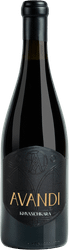
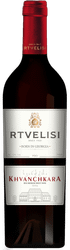
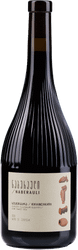
Mujuretuli is primarily encountered through Khvanchkara producers such as Khvanchkara Winery, Teliani Valley, and Ambrolauri Wine Cellar, with small Racha maranis occasionally bottling experimental single-varietal versions.
Summary
Mujuretuli (მუჯურეთული) is the quiet backbone of Racha's most famous wines - vibrant, fresh, and structurally vital. Less expressive on its own than Aleksandrouli, it brings tension, balance, and longevity to blends. In the cool mountain terroir of Racha, Mujuretuli proves that elegance in Georgian red wine often comes from restraint rather than force.