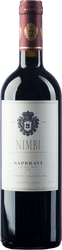
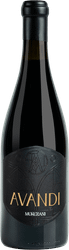
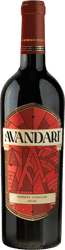
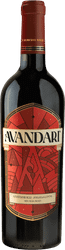
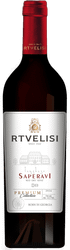
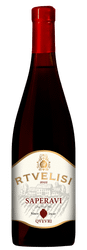
საფერავი
3 min
შეიძინე საფერავიმიმოხილვა
საფერავი საქართველოს ყველაზე ცნობილი და ყველაზე ფართოდ გაშენებული წითელი ვაზის ჯიშია. წარმოშობით აღმოსავლეთ საქართველოდან, განსაკუთრებით კახეთიდან, მან დიდი ხანია განსაზღვრა ქვეყნის წითელი ღვინის სტილი - ინტენსიური, სტრუქტურიანი და უტყუარად მუქი. მისი სახელწოდება „შეღებვას“ ან „დახატვას“ ნიშნავს - მინიშნება არა მხოლოდ კანის, არამედ ბუნებრივად შეფერილი რბილობისა და წვენის მიმართ. სწორედ ამიტომ, საფერავი მსოფლიოში ერთ-ერთი იშვიათი საღებავისებრი ჯიშია.
მიუხედავად იმისა, რომ საქართველოში თითქმის ყველგან გვხვდება, საფერავი ყველაზე თავდაჯერებულად იჩენს თავს კახეთის ალაზნისა და ივრის ველებში, სადაც თბილი დღეები და გრილი ღამეები ჯიშს აძლევს სიღრმეს და ამავე დროს უნარჩუნებს მის დამახასიათებელ მჟავიანობას.
მახასიათებლები
საფერავი ქმნის პატარა, სქელკანიან მარცვლებს ინტენსიური ლურჯ-შავი შეფერილობით და ბუნებრივად მაღალი შაქრითა და მჟავიანობით. რადგან რბილობიც წითელია, მიღებული ღვინოები ცნობილია მელნისფერი ინტენსივობითა და ღრმა პიგმენტაციით. ვაზი გვიან მწიფდება და კარგად უძლებს ცივ ზამთარსა და ცვალებად ამინდს - ერთ-ერთი მთავარი მიზეზი, რატომაც დომინირებს ქართულ ვენახებზე.
მოსავლიანობა ხშირად მერყევია. სწორად გაკონტროლებისას საფერავი იძლევა კონცენტრირებულ ხილს და სერიოზულ დაძველების პოტენციალს; ზედმეტ დატვირთვაში კი შეიძლება დაკარგოს სიზუსტე და უფრო უხეში, „რუხი“ კიდეები გამოაჩინოს.
ღვინის სტილები
საფერავის მოქნილობა საშუალებას აძლევს, დაეყრდნოს ქართული ღვინის მრავალფეროვან სტილებს:
- მშრალი წითელი ღვინოები - სრული სხეული და სტრუქტურა, მუქი ხილი და მტკიცე ტანინი; კლასიკური გამოხატულებები კახეთში და ისეთ PDO-ებში, როგორიცაა მუკუზანი, ნაფარეული და ყვარელი
- ნახევრად ტკბილი წითლები - ბუნებრივად ტკბილი ან გვიანი კრეფის სტილი, განსაკუთრებით ქინძმარაულის და ახაშენის PDO-ებში
- ქვევრში დადუღებული სტილები - მკვრივი, მიწიერი და ტექსტურიანი ღვინოები გამოკვეთილი ტანინებით, ხშირად მცირე საოჯახო მარანებისგან
- თანამედროვე, მუხაში დაძველებული ინტერპრეტაციები - გაპრიალებული და დაბალანსებული, ხილსა და სანელებელს შორის ჰარმონიით, ხშირად ექსპორტზე ორიენტირებული
გემოს პროფილი
კარგად გაკეთებული საფერავი ჭიქაში ადვილად ამოსაცნობია:
- არომატები: შავი ალუბალი, ქლიავი, მაყვალი, შავი მოცხარი, კვამლი, სანელებელი; ზოგჯერ გამხმარი ბალახები ან ტყავის ნოტები
- გემო: სრული სხეული, მაღალი მჟავიანობა, მტკიცე ტანინი და გრძელი, გამძლე დასრულება
- დაძველება: ასაკთან ერთად ვითარდება თამბაქოს, კაკაოს და მიწიერ-სირთულის მიმართულებით
რეგიონები
რეგიონები, სადაც გვხვდება საფერავი: კახეთი, ქართლი, რაჭა-ლეჩხუმი, იმერეთი.
PDO
PDO-ები, სადაც გვხვდება საფერავი: მუკუზანი, ყვარელი, ქინძმარაული, ახაშენი, ნაფარეული.
საკვებთან შეხამება
საფერავის სტრუქტურა და მჟავიანობა მას ძლიერ საკვებთან ბუნებრივ პარტნიორად აქცევს:
- გრილზე შემწვარი ხორცი, ცხვარი და ნელა მომზადებული საქონლის ჩაშუშული
- ნადირის კერძები, მწვადი და შემწვარი ბოსტნეული
- დაძველებული ყველები, სოკო და მდიდარი კასეროლები
- შებოლილი/მსუბუქად ცხარე კერძები, რომლებიც მის ტანინებს არბილებს
მეღვინეობის შენიშვნები
საფერავი საიმედოდ დუღს როგორც შერჩეული, ისე ბუნებრივი საფუარით. ტრადიციულ ქვევრში ჭაჭაზე და კლერტზე დაყოვნება შეიძლება რამდენიმე თვემდეც გაგრძელდეს, რის შედეგადაც მიიღება ძლიერი ტანინი და მიწიერი სიღრმე. ბევრი თანამედროვე მწარმოებელი ამცირებს მასერაციას ან იყენებს უჟანგავ ფოლადს, რათა გამოიტანოს სიხალასე და ხილის სუფთა ხაზები.
კუპაჟი იშვიათია, თუმცა ექსპერიმენტულ კიუვეებში ზოგჯერ მცირე რაოდენობით რქაწითელს ან მწვანეს უმატებენ, რომ სტრუქტურა დამრგვალდეს და არომატს „ლიფტი“ დაემატოს.
მთავარი მწარმოებლები
ხარისხიანი საფერავი მზადდება როგორც დიდი მეურნეობებისგან, ისე მცირე საოჯახო მარანებისგან. ცნობილ სახელებს შორისაა Teliani Valley, Shumi, Kindzmarauli Marani, Badagoni, Lagvinari და მრავალი პატივსაცემი კახური მარანი.
შეჯამება
საფერავი ქართული წითელი ღვინის არსს გამოხატავს - სიღრმეს, სიმტკიცეს და წარმოშობის ძლიერ განცდას. იქნება ქვევრში ჩამოყალიბებული თუ მუხაში დახვეწილი, ის საქართველოს უძველეს მეღვინეობის კულტურას აკავშირებს მის თანამედროვე აღორძინებასთან.