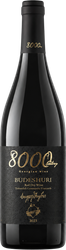
ბუდეშური საფერავი
მიმოხილვა
ბუდეშური საფერავი საფერავის გამორჩეული ბიოტიპია, წარმოშობით კახეთიდან, რომელიც ტრადიციულად მცირე ნაკვეთებში მოჰყავდათ მისი არომატული დახვეწილობისა და ბუნებრივი ბალანსის გამო. სახელწოდება „ბუდეშური“ სავარაუდოდ უკავშირდება მის ისტორიულ წარმოშობას ბუდეშის მიდამოებიდან, თელავის მახლობლად. უფრო გავრცელებულ საფერავი დიდთან (მსხვილმარცვლოვანი კლონი) შედარებით, ბუდეშურს აქვს უფრო პატარა მარცვლები და თხელი კანი, რის შედეგადაც მიიღება მეტი სიფაქიზის, სურნელისა და სიზუსტის მქონე ღვინოები.
არტიზანული მწარმოებლების მიერ სულ უფრო მეტად აღმოჩენილი ხელახლა, ბუდეშური საფერავი ხშირად მოიხსენიება როგორც „საფერავის პინო ნუარისეული გამოხატულება“ - არა სიმსუბუქის გამო, არამედ ელეგანტურობის, გამჭვირვალობისა და ტერუარზე ორიენტირებული ხასიათის გამო.
მახასიათებლები
ბუდეშური საფერავის ვაზი ზომიერად ძლიერი ზრდისაა და იძლევა კომპაქტურ მტევნებს პატარა, მუქლურჯი მარცვლებით, რომლებიც მდიდარია ფერით, თუმცა ზომიერი ექსტრაქტის მქონეა. ჩვეულებრივ, იგი სტანდარტულ საფერავზე ოდნავ ადრე მწიფდება და თბილ მოსავალშიც ინარჩუნებს სიხალისესა და მჟავიანობას.
მისი თხელი კანი და დახვეწილი ფენოლური პროფილი მას განსაკუთრებით უხდება ელეგანტურ მშრალ წითელ ღვინოებსა და ნიუანსურ ქვევრის სტილებს, განსაკუთრებით ალუვიურ და კირქვიან ნიადაგებზე თელავის, ნაფარეულის და ქინძმარაულის მიდამოებში.
ღვინის სტილები
ბუდეშური საფერავის ღვინოები წარმოაჩენს საქართველოს წამყვანი წითელი ყურძნის დახვეწილ და არომატულ ინტერპრეტაციას - ღრმა, თუმცა მოხდენილი; სტრუქტურული, თუმცა რბილი:
- მშრალი წითლები - სუფთა, კონცენტრირებული ხილი (შავი ალუბალი, მოცვი), ყვავილოვანი ამაღლება, დამუშავებული ტანინები
- ქვევრის წითლები - მარილიანი სანელებელი, მიწიერი ქვეტონები, სუბტილური ტანინური ჩაჭიდება, ხანგრძლივი მინერალური დაბოლოება
- კუპაჟები - ზოგჯერ ერწყმის საფერავი დიდს ან თავკვერს სურნელისა და ტექსტურის გასამდიდრებლად
- დაძველებული სტილები - ავითარებს მეორეულ არომატებს ტყავის, ტყის ნიადაგის, გამხმარი ვარდისა და სანელებლების ნოტებით
გემოს პროფილი
ბუდეშური საფერავი ფასდება სიხალისესა და სიღრმეს შორის ჰარმონიისთვის - გაწონასწორებული წითელი, რომელიც სტრუქტურას ელეგანტურობასთან აერთიანებს:
- არომატები: შავი ალუბალი, ია, ქლიავი, ტყის კენკრა, გრაფიტი და ნაზი სანელებელი
- გემო: საშუალო-დან სრულ სხეულამდე, აბრეშუმისებრი ტექსტურა, დამწიფებული, თუმცა ზუსტი ტანინები, ცოცხალი მჟავიანობა
- დაძველებული ან ქვევრის სტილები: მუქი ხილი, თამბაქოს ფოთოლი, კედარი და სუბტილური მიწიერი ნიუანსები
რეგიონები
რეგიონები, სადაც გვხვდება ბუდეშური საფერავი: კახეთი, ქართლი.
PDO
ბუდეშური საფერავი ნებადართულია რამდენიმე კახურ PDO-ში, მათ შორის: მუკუზანი, ნაფარეული, ქინძმარაული.
საკვებთან შეხამება
ბუდეშური საფერავის ცოცხალი მჟავიანობა და დახვეწილი ტანინები მას განსაკუთრებით მეგობრულს ხდის საკვებთან:
- გრილზე შემწვარი ბოსტნეული, ბადრიჯანი ან ველური სოკო
- ცხვრის ნეკნები, ღუმელში შემწვარი იხვი ან ხბო
- დაძველებული ყველები და სოკოზე დაფუძნებული რიზოტო
- ქართული კერძები, როგორიცაა ჩაქაფული ან შქმერული
მეღვინეობის შენიშვნები
ბუდეშური საფერავი შესანიშნავად მუშაობს როგორც ქვევრში, ისე მუხაში - ქვევრი უსვამს ხაზს სანელებლებს, მინერალობასა და მარილიან სიღრმეს, ხოლო კასრში დაძველება მატებს დამუშავებულობასა და არომატულ კომპლექსურობას.
ზომიერი ალკოჰოლის, ამაღლებული არომატიკისა და წვრილი სტრუქტურის წყალობით, იგი წარმოადგენს ელეგანტურ ალტერნატივას უფრო ძლიერი საფერავის გამოხატულებებისთვის.
მთავარი მწარმოებლები
გამორჩეულ მწარმოებლებს შორისაა Kortavebis Marani, Orgo, Nika Wine, Teliani Valley (შეზღუდული გამოშვებები) და რამდენიმე ბუტიკური მარანი, რომლებიც ერთვენახიან ბუდეშურ ჩამოსხმებს ქმნიან.
შეჯამება
ბუდეშური საფერავი წარმოაჩენს საქართველოს წითელი ღვინის მემკვიდრეობის ელეგანტურ სახეს - დახვეწილს, არომატულსა და ადგილის მიმართ ღრმად გამომსახველს. ტრადიციული სიღრმისა და თანამედროვე ელეგანტურობის გადაკვეთის წერტილში, იგი ერთ-ერთ ყველაზე დამაჯერებელ საფერავის ინტერპრეტაციას წარმოადგენს თანამედროვე გემოვნებისთვის.