ძელშავი
3 min
შეიძინე ძელშავიმიმოხილვა
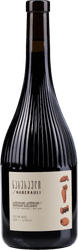
ძელშავი საქართველოს ერთ-ერთი უძველესი დოკუმენტირებული წითელი ვაზის ჯიშია, ტრადიციულად გაშენებული დასავლეთ და ცენტრალურ რეგიონებში - როგორიცაა იმერეთი, რაჭა და ლეჩხუმი. მისი სახელწოდება ხშირად აიხსნება როგორც „შავი ძელი/ტოტი“, რაც ვაზის მუქ შეფერილ ყლორტებს უკავშირდება. საბჭოთა პერიოდში იგი დიდწილად ჩრდილში მოექცა უფრო მაღალმოსავლიანი ჯიშების სასარგებლოდ, თუმცა დღეს დაბრუნდა და საქართველოს მსუბუქი ღვინოების „რენესანსის“ ერთ-ერთ მთავარ მონაწილედ იქცა.
ღვინოები, რომლებიც აქცენტს აკეთებს სიხალასეზე, არომატზე და სასიამოვნო დასალევობაზე, ძელშავი მკვეთრ კონტრასტს ქმნის აღმოსავლეთ საქართველოს უფრო მკვრივ და ტანინიან წითლებთან. მისი აღორძინება ასახავს ფართო მოძრაობას - გამჭვირვალობისკენ, რეგიონულ იდენტობასა და საკვებთან მეგობრული სტილებისკენ.
მახასიათებლები
ძელშავი არის საშუალო სიმწიფის ჯიში ზომიერი მოსავლიანობითა და შედარებით თხელი კანის მქონე მარცვლებით. კენკრა საშუალო ზომისაა, მუქი იისფერი და წვნიანი, ხასიათდება მაღალი ბუნებრივი მჟავიანობითა და დაბალი ტანინით - იდეალურია ნაზი წითელი და როზე სტილებისთვის. იგი კარგად ეგუება სხვადასხვა ნიადაგს, განსაკუთრებით იმერეთის თიხიან და კირქვიან ფერდობებს, ასევე რაჭა-ლეჩხუმის ალუვიურ ტერასებს.
ბუნებრივად ღია ფერისა და შაქრის ზომიერი დაგროვების გამო, Dzelshavi განსაკუთრებით შეეფერება რბილ ექსტრაქციას და ადრეულ ბოთლში ჩამოსხმას. მისი ტენიანობისადმი გამძლეობა მას განსაკუთრებით გამოსადეგს ხდის დასავლეთ საქართველოს ნოტიო კლიმატში.
ღვინის სტილები
ძელშავის ღვინოები ფასდება მათი ღია ფერის, ცოცხალი ხასიათისა და ძალდაუტანებელი მომხიბვლელობისთვის - საქართველოს ერთ-ერთ ყველაზე მისაწვდომ წითელ სტილად:
- მშრალი წითლები - მსუბუქი სხეული, არომატული პროფილი, მკვეთრი წითელი ხილი და ყვავილოვანი ტონები
- როზეები - ხრაშუნა, ცოცხალი და დახვეწილი; თანამედროვე ქართული როზეს ერთ-ერთი საუკეთესო საფუძველი
- ქვევრი / ამფორაში დაყენებული ღვინოები - ფაქიზად მიწიერი და ბალახოვანი, რბილი სტრუქტურით
- ბლენდები - ისტორიულად ერწყმოდა უფრო ღრმა ჯიშებს, როგორიცაა საფერავი ან ოცხანური საფერე, სიხალასისა და ფერის ბალანსის გასაძლიერებლად
გემოს პროფილი
ძელშავის ღვინოები მუდმივად სუფთა და გამომსახველია; როგორც წესი, მიირთმევა ახალგაზრდად, თუმცა საუკეთესო ნიმუშები რამდენიმე წლით დაძველებასაც კარგად იტანს:
- არომატები: ბროწეული, მოცვი, წითელი ალუბალი, ვარდის ფურცელი, ნაზი სანელებელი
- პალატი: მსუბუქი სხეული, მკვეთრი მჟავიანობა, აბრეშუმისებრი შეგრძნება, მინიმალური ტანინი, სუფთა დასრულება
- qvevri სტილები: გამოავლენს დამატებით სტრუქტურას, გამხმარ ბალახებს და მარილიან-მინერალურ ნიუანსებს
რეგიონები
რეგიონები, სადაც გვხვდება ძელშავი: იმერეთი, რაჭა-ლეჩხუმი.
PDO
მიუხედავად იმისა, რომ Dzelshavi არ წარმოადგენს არც ერთი PDO-ის ძირითად ჯიშს, იგი ნებადართულია რამდენიმე დასავლეთ და ცენტრალურ აპელასიონში, მათ შორის Ateni-სა და Sviri-ში, სადაც ჩვეულებრივ გამოიყენება ბლენდის კომპონენტად.
საკვებთან შეხამება
ძელშავის სიხალასე და ფაქიზი სტრუქტურა მას სუფრაზე მეტად მრავალმხრივს ხდის:
- შარკუტერია, შემწვარი ფრინველი, გრილზე მომზადებული ბოსტნეული
- მსუბუქი პასტის კერძები და ტომატზე დაფუძნებული სოუსები
- ყველის ასორტი, სოკოს კერძები და ხაჭაპური
- საუკეთესოა ოდნავ გაციებული (13-15 °C), სიხალასისა და არომატიკის გამოსაკვეთად
მეღვინეობის შენიშვნები
კანთან კონტაქტი, როგორც წესი, ხანმოკლეა - ხშირად 5-7 დღე - სიხალასის შესანარჩუნებლად და სიმწარის თავიდან ასაცილებლად. ზოგი მწარმოებელი იყენებს მტევნებით დუღილს ან კარბონულ მაცერაციას ხილის სისუფთავისა და ყვავილოვანი ამაღლების გასაძლიერებლად.
ქვევრის ვერსიები, მიუხედავად იმისა, რომ ნაკლებად გავრცელებულია, გამოკვეთს უფრო მიწიერ და მარილიან ელემენტებს, რაც აჩვენებს ჯიშის ადაპტირებადობას. ნაზი მოპყრობა აუცილებელია, რადგან ზედმეტმა ექსტრაქციამ შეიძლება მარტივად გადაფაროს მისი ფაქიზი პროფილი.
მთავარი მწარმოებლები
გამორჩეულ მწარმოებლებს შორის არიან Vartsikhe Marani, Baia's Wine, Tchrebalo Winery, Iago's Wine და Gotsa Wines, აგრეთვე მრავალი მცირე არტიზანული marani, რომლებიც ავითარებენ ოდნავ გასაციებელ წითელ და როზე სტილებს.
შეჯამება
ძელშავი არის საქართველოს დახვეწილი, მსუბუქი წითელი - არომატული, ხრაშუნა და ძალდაუტანებლად დასალევი. დავიწყებიდან დაბრუნებული, იგი დღეს სიმბოლოდ იქცა ქვეყნის გარდამავალი ღვინის იდენტობისთვის: უძველესი წარმოშობის, თანამედროვე სტილის და სრულად მორგებული თანამედროვე სუფრისთვის.