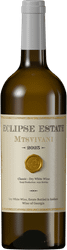
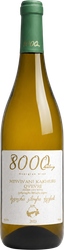
Mtsvivani Kakhuri
Overview
Mtsvivani Kakhuri (მწვანე კახური) - literally “the green one from Kakheti” - is an ancient Georgian white grape that has quietly survived in small family vineyards of eastern Georgia. Historically overshadowed by Rkatsiteli and often used in blends, it is now gaining recognition as a standalone variety for its clarity, freshness, and refined texture.
Once close to disappearing from commercial vineyards, Mtsvivani Kakhuri is being revived by boutique producers who value its natural acidity, subtle aromatics, and strong ability to express terroir through both modern and traditional qvevri winemaking.
Characteristics
Mtsvivani Kakhuri forms medium-sized, loosely packed clusters of greenish-yellow berries that ripen late, preserving firm acidity even in Kakheti's warmest subzones. It performs best on well-drained alluvial soils and benefits from elevated vineyard sites with cooler nighttime temperatures.
The grape typically accumulates moderate sugar levels, resulting in wines with freshness, moderate alcohol, and structural tension. These qualities make it well suited to crisp dry whites, vibrant amber wines, and experimental sparkling styles.
Wine styles
Mtsvivani Kakhuri wines are defined by precision and purity - quietly expressive rather than overtly powerful:
- Dry whites - floral and citrus-driven, mineral-focused, with pear and white peach nuances
- Amber / qvevri wines - textured and herbal, showing tea leaf, honey, and dried fruit notes
- Blends - traditionally paired with Rkatsiteli or Khikhvi to enhance brightness and aromatic lift
- Sparkling and experimental styles - lively acidity and restrained fruit suit pét-nat and traditional-method approaches
Taste profile
Mtsvivani Kakhuri expresses itself through restraint and balance - clean fruit, vivid structure, and gentle floral tones:
- Aromas: lime blossom, white peach, quince, green apple, wild herbs
- Palate: light- to medium-bodied, crisp acidity, mineral tension, long citrus finish
- Amber styles: dried apricot, chamomile, subtle nutty grip, and savory undertones
Regions
PDO
While Mtsvivani Kakhuri does not define a PDO of its own, it is approved in several Kakhetian appellations, including Kardenakhi and Gurjaani, where it is valued for freshness and aromatic lift.
Food pairing
Its lively acidity and restrained aromatics make Mtsvivani Kakhuri highly food-friendly:
- Light salads, grilled vegetables, or steamed fish
- Herb-roasted poultry and white bean dishes
- Soft cheeses and vegetable-based pâtés
- Georgian classics such as lobio or pkhali
Winemaking notes
Mtsvivani Kakhuri adapts well to both stainless steel and qvevri fermentation - stainless expressions highlight purity and citrus precision, while qvevri wines reveal herbal, tea-like depth and gentle texture.
It remains one of Georgia's most promising rediscovered white varieties, valued for energy, transparency, and clear terroir expression.
Key producers
Producers working with Mtsvivani Kakhuri include Shumi Winery, Giuaani, Mosmieri, and a growing number of natural winemakers in Kakheti producing small-batch amber interpretations.
Summary
Mtsvivani Kakhuri (მწვანე კახური) represents the fresh, elegant side of Kakhetian white winemaking - precise, aromatic, and quietly expressive. Revived from near obscurity, it now stands among Georgia's most compelling grapes for wines of balance, clarity, and sense of place.