ოჯალეში
3 min
შეიძინე ოჯალეშიმიმოხილვა
ოჯალეში სამეგრელოს ადგილობრივი წითელი ჯიშია - საქართველოს ნოტიო დასავლეთის დაბლობებიდან. მისი სახელწოდება დაახლოებით „ხეზე გაზრდილს“ ნიშნავს და უკავშირდება მეგრული ტრადიციის პრაქტიკას, როცა ვაზი ხეებზე ან მაღალ საყრდენებზე ადიოდა - მეთოდი, რომელიც ადრე გავრცელებული იყო ენგურისა და ცხენისწყლის ხეობებში.
ჯიში იძლევა ხავერდოვან, ძლიერ არომატულ ღვინოებს ბუნებრივი სიტკბოთი, რომელსაც ცოცხალი მჟავიანობა აბალანსებს. მე-20 საუკუნეში თითქმის გაქრობის შემდეგ, ოჯალეშიმ ძლიერი აღორძინება დაიწყო და დღეს კვლავ კულტივირდება სამეგრელოში, ლეჩხუმში და აჭარის ნაწილებში, სადაც მწარმოებლები მის „კეთილშობილ“ რეპუტაციას აღადგენენ.
მახასიათებლები
ოჯალეში გვიანმწიფადი და დაბალმოსავლიანია, კარგად მორგებული ნოტიო სუბტროპიკულ პირობებზე. ქმნის პატარა, სქელკანიან მარცვლებს ღრმა იისფერი ფერით, მდიდარს როგორც პიგმენტით, ისე არომატით. მაღალი ნალექიანობის მიუხედავად, საუკეთესო შედეგს იძლევა ფერდობებზე, სადაც ჰაერის ცირკულაცია და დრენაჟია.
ის ბუნებრივად აგროვებს შაქარს და ამავე დროს ინარჩუნებს მჟავიანობას - სწორედ ეს ბალანსი ხდის მას იდეალურს ნახევრად ტკბილი სტილებისთვის. ტანინი საშუალოა, ხოლო არომატული პროფილი ზოგჯერ მუსკატს ან კაბერნე ფრანსაც აგონებს, თუმცა საერთო ხასიათი უტყუარად ქართულია.
ღვინის სტილები
ოჯალეში დასავლეთ საქართველოს წითელი ღვინის იდენტობას ქმნის - სტილები, სადაც სურნელი და ბალანსი უფრო მნიშვნელოვანია, ვიდრე ძალა:
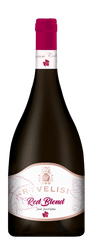
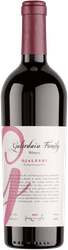
- ბუნებრივად ნახევრად ტკბილი წითლები - სამეგრელოს კლასიკური გამოხატულება: მდიდარი და სურნელოვანი, მაგრამ ნათელი მჟავიანობით „აწეული“
- მშრალი წითლები - სულ უფრო ხშირად კეთდება ლეჩხუმსა და აჭარაში, ფოკუსით სანელებელზე, ყვავილოვანობაზე და ნაზ სტრუქტურაზე
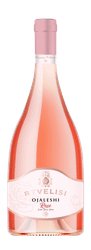
- როზე - მკვეთრი ფერი, რბილი არომატიკა და სიხალასე
- ქვევრში ან ამფორაში დადუღებული წითლები - ჯერ კიდევ იშვიათი, მაგრამ მზარდი; მიწიერი ტონებით და მსუბუქი „მჭიდრობით“
გემოს პროფილი
ოჯალეშის ღვინოები ელეგანტურობაზეა, არა ინტენსივობაზე - რბილი, სურნელოვანი და ზედმიწევნით დაბალანსებული:
- არომატები: ია, ველური მარწყვი, მაყვალი, ვარდი, შავი ჩაი, მიხაკი და ნაზი სანელებელი
- გემო: საშუალო სხეული, რბილი ტანინი, ცოცხალი მჟავიანობა, აბრეშუმისებური ტექსტურა და ხანგრძლივი ყვავილოვანი დასრულება
- ნახევრად ტკბილი სტილები: მწიფე ალუბალი, ქლიავის ჯემი, ხანდახან კაკაოს ან გამხმარი ბალახების მინიშნებით
რეგიონები
რეგიონები, სადაც გვხვდება ოჯალეში: რაჭა-ლეჩხუმი, შავი ზღვის სანაპირო ზონა.
PDO
მიუხედავად იმისა, რომ ოჯალეში ფორმალურ PDO-სთან არ არის დაცულად მიბმული, ის ძლიერადაა დაკავშირებული თავის წარმოშობის ადგილთან და თავად ჯიშის სახელიც რეგიონული იდენტობის ფუნქციას ასრულებს.
საკვებთან შეხამება
ოჯალეშის სურნელი და სიხალასე მას სუფრაზე ძალიან ადაპტირებადს ხდის:
- ნახევრად ტკბილი: შესანიშნავია ცხარე ან მსუბუქად ტკბილ კერძებთან - მაგალითად იხვი ბროწეულით, შემწვარი თხილეული ან ლურჯი ყველი
- მშრალი: უხდება ღორს, ხბოს, ცხვარს, პომიდორზე დაფუძნებულ კერძებს და დაძველებულ ყველს
- როზე: ზღვის პროდუქტები, გრილზე ბოსტნეული და „კეჟუალი“ სუფრა
- საერთო ჯამში: მრავალმხრივი ღვინო - ყოველდღიურიდან სადღესასწაულომდე
მეღვინეობის შენიშვნები
ტრადიციულად ოჯალეში დუღს ბუნებრივი საფუარით დახურულ ჭურჭელში ან თიხის ჭურჭლებში. დუღილი ხშირად ბუნებრივად ჩერდება ტემპერატურის დაცემასთან ერთად და ტოვებს 20-40 გ/ლ ნარჩენ შაქარს. სრულად მშრალი სტილები ბოლომდე ამთავრებს დუღილს და შეიძლება ნახოს მსუბუქი მუხა ან უფრო გრძელი მასერაცია სტრუქტურისთვის.
ინტენსიური არომატიკის გამო უპირატესია მინიმალური ჩარევა - ძლიერი მუხა ან აგრესიული ექსტრაქცია მარტივად „გადაფარავს“ მის ყვავილოვან ხასიათს.
მთავარი მწარმოებლები
თანამედროვე გამორჩეული მაგალითები მოდის ისეთი მწარმოებლებისგან, როგორიცაა Makharebeli Wines, Teliani Valley, Natenadze's Wine Cellar და Obene Winery სამეგრელოში, ასევე მზარდი რაოდენობის სანაპირო მეურნეობებისგან, რომლებიც ერთვენახიან ოჯალეშიზე მუშაობენ.
შეჯამება
ოჯალეში დასავლეთ საქართველოს კეთილშობილ წითელს წარმოადგენს - სურნელოვანი, რბილი და მშვიდად გამომსახველი. იქნება ნაზად ტკბილი თუ ელეგანტურად მშრალი, ის შავი ზღვის გავლენას ასახავს: მდიდარი, მაგრამ დაბალანსებული; უძველესი, მაგრამ ახლახან ხელახლა აღმოჩენილი; და სამეგრელოს აღორძინებული ღვინის იდენტობის ცენტრში მდგომი.