Grapes
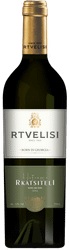
Rkatsiteli
Overview
Rkatsiteli (რქაწითელი) is Georgia's flagship white grape and one of the oldest continuously cultivated varieties in the world. Its name, meaning “red stem,” refers to the vine's reddish shoots. Archaeological evidence links Rkatsiteli to Georgian winemaking more than 3,000 years ago. Today, it is central to the white-wine traditions of eastern Georgia, particularly Kakheti.
Rkatsiteli adapts to a range of styles, from crisp, refreshing whites to full-bodied amber wines, offering balance, structure, and a clear expression of terroir.
Characteristics
Rkatsiteli buds and ripens late, making it well suited to Georgia's continental climate. The berries are small, green-gold, and grow in medium clusters. Even in warm years, it maintains bright acidity, which underpins both dry and skin-contact wines.
The variety is disease-resistant, tolerant to frost, and performs reliably across varied soils-from the alluvial plains of Kakheti to Kartli's limestone slopes.
Wine styles
Rkatsiteli's versatility makes it a foundation for several Georgian wine styles:
- Dry whites - crisp, mineral-driven, lightly floral; often blended with Mtsvane or Kisi
- Amber / qvevri wines - fermented on skins, offering structure, spice, and tannin
- Semi-sweet styles - late-harvest or partially fermented musts
- Sparkling and fortified wines - its acidity and balance make it ideal
Taste profile
Rkatsiteli is prized for its balance of freshness, structure, and subtle complexity:
- Aromas: green apple, quince, pear, citrus, honey, wild herbs
- Palate: medium- to full-bodied; crisp acidity with a mineral backbone
- Aged styles: develop notes of dried fruit, tea, nuts, and honey
Regions
Regions featuring Rkatsiteli: Kakheti, Kartli, Imereti, Black Sea Coastal Zone.
PDO
While Rkatsiteli is included in several PDOs, most varietal wines are produced outside PDO regulations.
Food pairing
Rkatsiteli's crispness and versatility make it food-friendly across many cuisines:
- Fresh or grilled fish, shellfish, and white meats
- Vegetable dishes with herbs or nuts, like pkhali or eggplant rolls
- Soft or semi-hard cheeses
- Spicy or aromatic dishes, such as Thai, Indian, or Middle Eastern cuisine
Winemaking notes
In traditional qvevri wines, full fermentation on skins and stems can last several months, producing amber-colored wines with firm tannins. Modern stainless-steel wines are fermented cool and bottled young to highlight fresh fruit flavors.
Premium examples may see oak or acacia aging, adding creaminess and subtle spice.
Key producers
Leading Rkatsiteli producers include Telavi Wine Cellar, Tsinandali Estate, Shumi, Badagoni, and numerous artisanal maranis across Kakheti.
Summary
Rkatsiteli (რქაწითელი) defines Georgia's white-wine identity: fresh, structured, and versatile. From bright, stainless-steel-fermented wines to complex, qvevri-aged styles, it bridges ancient winemaking traditions with contemporary expressions of terroir.