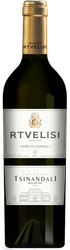
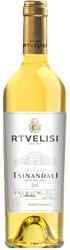
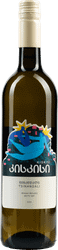
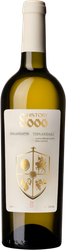
Tsinandali
Overview
Tsinandali is Georgia's most historically important and internationally recognized Protected Designation of Origin for white wine. Located in the heart of Kakheti, the appellation produces dry, elegant wines primarily from Rkatsiteli and Kakhuri Mtsvane, combining structure with aromatic finesse.
Named after the renowned Tsinandali Estate - once the cultural center of the Chavchavadze family - the region has symbolized refinement in Georgian winemaking since the 19th century. Tsinandali wines are defined by harmony, minerality, and aging potential, and are often described as the benchmark or “classical school” of Georgian dry whites.
Geography & climate
The Tsinandali PDO spans parts of the Telavi and Kvareli municipalities in the Alazani Valley, framed by the Greater Caucasus Mountains to the north and the Gombori Range to the south. Vineyards lie at elevations of roughly 300-750 meters above sea level on gently sloping alluvial soils rich in limestone and clay.
The climate is moderately humid and continental, with warm summers and cool nights. This diurnal temperature shift preserves acidity and aromatic clarity, while long sunshine hours ensure full and even ripening.
Authorized grape varieties
- Rkatsiteli - minimum 85%
- Kakhuri Mtsvane - up to 15%
This classic blend defines Tsinandali's identity: Rkatsiteli provides backbone, acidity, and structure, while Mtsvane adds aromatic lift, softness, and floral nuance.
Wine styles & characteristics
- Color: pale straw to light gold
- Aroma: white flowers, citrus, green apple, pear, and subtle herbal notes
- Taste: medium-bodied, dry, with crisp acidity, a mineral core, and a gentle almond-like finish
- Alcohol: typically 12-13.5%
- Aging: usually in stainless steel to preserve freshness; selected examples see oak and can age gracefully for 5-10 years
Tsinandali wines are linear and precise, emphasizing clarity and balance rather than the weight or tannin of traditional amber styles.
Taste profile
- Aromas: citrus peel, quince, acacia blossom, and fresh herbs
- Palate: clean, poised, and refreshing, with well-integrated acidity
- Finish: long, mineral, and lightly nutty
Compared to other Kakhetian whites, Tsinandali stands out for its restraint and polish - composed, elegant, and distinctly European in profile.
Production rules
Under regulations set by Georgia's National Wine Agency:
- Grapes must originate exclusively from the designated Tsinandali zone
- Maximum yield: 10 tons per hectare
- Alcohol range: minimum 11%, maximum 13.5%
- Wine must be produced in a dry style through complete alcoholic fermentation
- Skin contact is minimal or absent, distinguishing it from qvevri amber wines
Food pairing
Tsinandali's freshness and precision make it highly versatile at the table:
- White fish, shrimp, and shellfish
- Chicken with lemon or herb-based sauces
- Salads, light pasta dishes, and vegetable-forward cuisine
- Soft cheeses such as feta or fresh goat cheese
Serve at 12-13 °C to allow its texture and aromatics to fully open.
Summary
Tsinandali PDO (წინანდალი) defines the classical face of Georgian white wine - refined, balanced, and enduring. By uniting Rkatsiteli's structure with Mtsvane's aromatic grace, it bridges Georgia's ancient winemaking heritage with a polished, contemporary style. As a benchmark for dry whites, Tsinandali remains the reference point for elegance in Georgian wine.