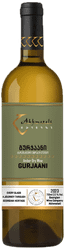
Gurjaani
3 min
Shop Gurjaani winesOverview
Gurjaani is a historic Protected Designation of Origin in Kakheti, producing white wines primarily from Rkatsiteli (რქაწითელი), with limited use of Kakhuri Mtsvane. Located in the central Alazani Valley, the PDO reflects the agricultural heart of Kakheti, where fertile soils and balanced climatic conditions produce wines of substance and reliability.
Stylistically, Gurjaani sits between Kakheti's more defined white PDOs: less strict and linear than Tsinandali, and less overtly aromatic than Vazisubani. Its wines are grounded, full-bodied, and honest, emphasizing texture, ripeness, and mineral presence over perfume.
Geography & climate
The Gurjaani PDO occupies the right bank of the Alazani River within Gurjaani municipality, at elevations ranging from 350 to 700 meters above sea level. This central position places it between the cooler foothill zones and the warmer valley floor.
Soils are predominantly deep alluvial clays mixed with limestone and sand, well suited to Rkatsiteli's vigorous growth and deep root systems. The moderately humid continental climate brings hot summers and cool autumn nights, preserving acidity even in ripe vintages.
Authorized grape varieties
- Rkatsiteli - 85-100%
- Kakhuri Mtsvane - up to 15%
Rkatsiteli provides structure, acidity, and restrained fruit, while small additions of Mtsvane contribute floral lift and roundness.
Wine styles & characteristics
- Color: pale straw to golden yellow
- Aroma: green apple, citrus peel, dried herbs, and almond
- Taste: full-bodied, fresh acidity, mineral-driven, with a dry or gently off-dry finish
- Alcohol: typically 12-13.5%
- Style: structured, clean, and lightly aromatic
Both dry and naturally semi-sweet expressions retain a distinctly Kakhetian weight and earthy-mineral core, offering richness without heaviness.
Taste profile
- Aromas: quince, pear, wildflowers, and citrus zest
- Palate: firm and refreshing in dry styles; rounder and smoother in semi-sweet versions
- Finish: clean, slightly nutty, with a saline edge typical of the Alazani Valley
Qvevri-fermented Gurjaani develops amber hues, added body, and gentle tannic grip, emphasizing spice and dried fruit notes.
Production rules
According to regulations set by Georgia's National Wine Agency:
- Grapes must originate exclusively from the Gurjaani microzone
- Maximum yield: 10 tons per hectare
- Permitted styles: dry and naturally semi-sweet white wine
- Alcohol range: 11-13.5%
- Minimum aging: 9 months before release
Food pairing
Gurjaani pairs well with a wide range of foods:
- Grilled fish, roasted chicken, mushroom-based dishes, and vegetable stews
- Citrus-forward or herb-driven sauces
- Soft cheeses, walnut-based Georgian dishes, and mild spices
- Light charcuterie or fruit-accented desserts
Serve dry styles at 11-12 °C and semi-sweet styles slightly cooler, around 10 °C.
Summary
Gurjaani PDO (გურჯაანი) reflects the steady, confident core of Kakheti's winemaking tradition. Built around Rkatsiteli, its wines favor structure, balance, and authenticity over ornament. Whether made dry or gently semi-sweet, Gurjaani remains a dependable and enduring expression of Georgia's central wine-growing plains.