ქართული ღვინის PDO
ახოები
3 min
შეიძინე ახოებიმიმოხილვა
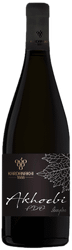
ახოები არის კახეთის PDO, რომელიც ცნობილია მშრალი თეთრი ღვინოებით რქაწითელის (რქაწითელი) და კახური მწვანეს (კახური მწვანე) ბლენდიდან. მეღვინეობა აერთიანებს ქვევრისა და თანამედროვე მეთოდებს ელეგანტური, სუფთა და გამომსახველი არომატიკის მისაღებად.
აპელასიონი წარმოაჩენს ადგილობრივი მევენახეობის მრავალსაუკუნოვან გამოცდილებას და დაბალანსებული, საკვებ-მეგობრული თეთრების წარმოების ცოდნას.
გეოგრაფია და კლიმატი
ვენახები მდებარეობს ზღვის დონიდან 350-650 მეტრზე, კარგად დრენირებულ ლომიან და ქვიშიან ნიადაგებზე; ხშირად მზეზე გახსნილ ფერდობებზე.
ზომიერად კონტინენტური კლიმატი თბილი დღეებითა და გრილი ღამეებით ინარჩუნებს მჟავიანობას და არომატულ პროფილს.
ნებადართული ყურძნის ჯიშები
- რქაწითელი - 60-70%
- კახური მწვანე - 30-40%
ბლენდი აქცენტს აკეთებს სიხალასეზე, არომატულ ამაღლებასა და ტექსტურულ ბალანსზე.
ღვინის სტილები და მახასიათებლები
- ფერი: ღია ჩალისფრიდან ღია ოქროსფერამდე
- არომატი: ციტრუსი, თეთრი ყვავილები, მსხალი, ფაქიზი მინერალური ტონები
- გემო: საშუალო სხეული, ხრაშუნა, სუფთა, არომატული
- ალკოჰოლი: 11.5-13%
- დავარგება: უჟანგავი ფოლადი ან ქვევრი
ახოების ღვინოები ელეგანტური, უნივერსალური და არომატულად გამომსახველია.
გემოს პროფილი
- არომატები: თეთრი ყვავილი, ციტრუსი, მსხალი, ბალახოვანი ტონები
- პალატი: სუფთა, ცოცხალი, დაბალანსებული
- დასრულება: სუფთა, ხანგრძლივი, ჰარმონიული
ქვევრის სტილები იძენს ფაქიზ ტექსტურას და ქარვისფერ ნიუანსებს.
წარმოების წესები
საქართველოს ღვინის ეროვნული სააგენტოს მიხედვით:
- ყურძენი უნდა მოდიოდეს მხოლოდ Akhoebi-ის მიკროზონიდან
- მაქსიმალური მოსავლიანობა: 10 ტონა/ჰა
- დაშვებულია მხოლოდ მშრალი თეთრი ღვინოები
- ალკოჰოლი: მინიმუმ 11%
- მინიმალური დაძველება: 9 თვე
საკვებთან შეხამება
ეხამება:
- ზღვის პროდუქტებს, ქათამს, რბილ ყველებს
- ბოსტნეულის ან ბალახოვან კერძებს
- მსუბუქ ჩაშუშულებს და ბრინჯიან კერძებს
- სალათებს
მიირთვით 10-12 °C-ზე.
შეჯამება
ახოები PDO წარმოადგენს სუფთა, არომატულ კახურ თეთრებს - რქაწითელისა და კახური მწვანეს ბალანსით, ელეგანტურობით და საკვებ-მეგობრული სტილით.