ქართული ღვინის PDO
წარაფი
3 min
შეიძინე წარაფიმიმოხილვა
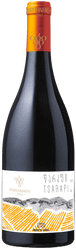
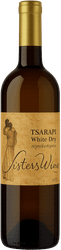
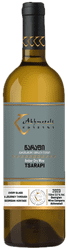
წარაფი არის კახეთის PDO, რომელიც ფოკუსირებულია მშრალ თეთრ ღვინოებზე - რქაწითელის და კახური მწვანეს ბლენდზე. ეს ღვინოები კარგად წარმოაჩენს რეგიონულ ბალანსს: არომატული ამაღლება + სტრუქტურული სიხალასე.
PDO ხაზს უსვამს როგორც ტრადიციულ ქვევრის, ისე თანამედროვე მეღვინეობას, რის შედეგადაც მიიღება ელეგანტური, ხრაშუნა და არომატულად მკაფიო ღვინოები.
გეოგრაფია და კლიმატი
ვენახები მდებარეობს ზღვის დონიდან 350-600 მეტრზე, ლომიან და კირქვიანად მდიდარ ნიადაგებზე, კარგი დრენაჟითა და მზის ექსპოზიციით.
კლიმატი ზომიერად კონტინენტურია - თბილი დღეებით, გრილი ღამეებით და ხანგრძლივი მომწიფების სეზონით, რაც ინარჩუნებს მჟავიანობას და არომატიკას.
ნებადართული ყურძნის ჯიშები
- რქაწითელი - 60-70%
- კახური მწვანე - 30-40%
ბლენდი იძლევა არომატულ ინტენსივობას დაბალანსებული სტრუქტურითა და სიხალასით.
ღვინის სტილები და მახასიათებლები
- ფერი: ღია ჩალისფრიდან ღია ოქროსფერამდე
- არომატი: თეთრი ყვავილები, ციტრუსი, მწვანე ვაშლი, ფაქიზი მინერალობა
- გემო: საშუალო სხეული, ხრაშუნა, სუფთა, არომატული
- ალკოჰოლი: 11.5-13%
- დავარგება: უჟანგავი ფოლადი ან ქვევრი
Tsarapi-ის ღვინოები ელეგანტური, საკვებ-მეგობრული და გამომსახველია.
გემოს პროფილი
- არომატები: ციტრუსის ყვავილი, მსხალი, თეთრი ყვავილები, ბალახოვანი ტონები
- პალატი: სუფთა, ცოცხალი, ტექსტურული
- დასრულება: სუფთა, ხანგრძლივი, ჰარმონიული
ქვევრის სტილები იძენს ფაქიზ ქარვისფერ ტონებს და ტექსტურულ სირთულეს.
წარმოების წესები
საქართველოს ღვინის ეროვნული სააგენტოს მიხედვით:
- ყურძენი უნდა მოდიოდეს მხოლოდ Tsarapi-ის მიკროზონიდან
- მაქსიმალური მოსავლიანობა: 10 ტონა/ჰა
- დაშვებულია მხოლოდ მშრალი თეთრი ღვინოები
- ალკოჰოლი: მინიმუმ 11%
- მინიმალური დაძველება: 9 თვე
საკვებთან შეხამება
ეხამება:
- ზღვის პროდუქტებს, ქათამს, რბილ ყველებს
- ბოსტნეულისა და ბალახოვან კერძებს
- მსუბუქ ჩაშუშულებს ან ბრინჯიან თეფშებს
- სალათებს
მიირთვით 10-12 °C-ზე.
შეჯამება
წარაფი PDO ქმნის არომატულ კახურ თეთრებს - რქაწითელისა და კახური მწვანეს შერწყმით, სუფთა, ელეგანტურ და საკვებ-მეგობრულ სტილში.