ქართული ღვინის PDO
კახეთი
3 min
შეიძინე კახეთიმიმოხილვა
კახეთის PDO მოიცავს საქართველოს ყველაზე ცნობილ მეღვინეობის რეგიონს, რომელიც ვრცელდება ალაზნისა და ივრის ნაყოფიერ ველებზე და მიმდებარე წინმთებზე. ეს ისტორიული რეგიონი ათასწლეულების განმავლობაში იყო ქართული ვიტიკულტურის საყრდენი; უწყვეტი მეღვინეობის მტკიცებულებები 8,000 წელზე მეტს ითვლის.
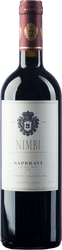
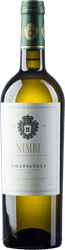
კახეთის PDO ღვინოები მოიცავს როგორც თეთრებს, ისე წითლებს: არომატულ მშრალ თეთრებს, დამზადებულს რქაწითელისგან (რქაწითელი) და კახური მწვანესგან (კახური მწვანე), და სტრუქტურულ წითლებს, სადაც დომინანტია საფერავი (საფერავი). PDO სტატუსი უზრუნველყოფს, რომ ყურძენი მოყვანილია განსაზღვრულ საზღვრებში და ასახავს რეგიონის მრავალფეროვან მიკროკლიმატებსა და ნიადაგებს.
გეოგრაფია და კლიმატი
კახეთის PDO მოიცავს მრავალფეროვან ლანდშაფტებს - ალაზნის ველის ნაყოფიერი დაბლობებიდან (400-500 მ) გომბორისა და ცივ-გომბორის ქედების უფრო გრილ წინმთებამდე (800 მ-მდე). ნიადაგები მრავალფეროვანია: ალუვიური თიხა, კირქვით მდიდარი ლომები, ხრეშიანი ტერასები და ვულკანური ტუფები, რაც თითოეულ ქვეზონას აძლევს გამორჩეულ მინერალურ გამოხატულებას.
კლიმატი ზომიერად კონტინენტურია - ცხელი ზაფხულებით, ცივი ზამთრებით და მკვეთრი დღეღამური ამპლიტუდით. ხანგრძლივი, მზიანი დღეები ხელს უწყობს ფენოლურ და არომატულ განვითარებას, ხოლო გრილი ღამეები ინარჩუნებს მჟავიანობას, რის შედეგადაც რქაწითელისა და კახური მწვანესგან მიღებული ღვინოები ნათელი, სუფთა და დაძველების უნარიანია.
ნებადართული ყურძნის ჯიშები
- რქაწითელი - 50-80%
- კახური მწვანე - 20-50%
- საფერავი - წითლებისთვის
კახეთის PDO უსვამს ხაზს რეგიონულ ტიპურობას: არომატული თეთრები ეყრდნობა რქაწითელსა და კახური მწვანეს, ხოლო წითლებში დომინირებს საფერავი; ნებადართულია სხვა დამტკიცებული ადგილობრივი ჯიშების მცირე პროცენტები ბლენდებისთვის.
ღვინის სტილები და მახასიათებლები
- ფერი: თეთრები - ღია ჩალისფერიდან ოქროსფრამდე; წითლები - ღრმა ლალისფერიდან გარნეტამდე
- არომატი: თეთრებში - ციტრუსი, მწვანე ვაშლი და ყვავილოვანი ტონები; წითლებში - მუქი კენკრა, ქლიავი და ფაქიზი სანელებლები
- გემო: თეთრები ხრაშუნა, საშუალო სხეულის და მინერალობაზე ორიენტირებულია; წითლები სტრუქტურულია, საშუალო-იდან სრულ სხეულამდე, მტკიცე ტანინებით
- ალკოჰოლი: 11.5-13.5%
- დავარგება: თეთრები ჩვეულებრივ უჟანგავ ფოლადში; ზოგჯერ მუხაში ან ქვევრში; წითლები ხშირად მუხაში ან ქვევრში
კახეთის PDO ღვინოები გამოხატავს საქართველოს ყველაზე ცნობილი მეღვინეობის რეგიონის მრავალფეროვნებასა და ელეგანტურობას - სთავაზობს მკაფიოობას, ბალანსს და რეგიონულ იდენტობას.
გემოს პროფილი
- თეთრები: არომატული, ნათელი - ციტრუსის, მსხლის და ყვავილოვანი ტონებით, სუფთა მჟავიანობით და ფაქიზი მინერალობით
- წითლები: მომწიფებული მუქი ხილი, ქლიავი, წვრილმარცვლოვანი ტანინები, საშუალო-იდან სრულ სხეულამდე, გლუვი ტექსტურით და ხანგრძლივი დასრულებით
- დასრულება: სუფთა და გამძლე - თეთრებში მინერალური ქვეტონებით, ხოლო წითლებში დახვეწილი ტანინური „გრიპით“
თეთრებიც და წითლებიც ასახავს PDO-ის სახელმძღვანელო პრინციპს: ღვინოები, რომლებიც გამოხატავს ადგილს, კლიმატსა და ტრადიციას.
წარმოების წესები
საქართველოს ღვინის ეროვნული სააგენტოს მიხედვით:
- ყურძენი უნდა მოდიოდეს მხოლოდ კახეთის PDO-ის საზღვრებიდან
- მაქსიმალური მოსავლიანობა: 10 ტონა ჰექტარზე
- დაშვებულია როგორც მშრალი და ცქრიალა თეთრები, ისე მშრალი წითლები
- ალკოჰოლი: მინიმუმ 11%
- მინიმალური დავარგება: 6-12 თვე, სტილის მიხედვით
საკვებთან შეხამება
კახეთის PDO ღვინოები მრავალმხრივია სუფრასთან:
- თეთრები: გრილზე შემწვარი თევზი, ზღვის პროდუქტები, ბოსტნეულის კერძები, მწვანილებიან სალათები
- წითლები: შემწვარი ხორცი, გრილზე შემწვარი ცხვარი, ჩაშუშულები, სოკოს კერძები, დაძველებული ყველები
- შეხამება ხაზს უსვამს სიხალასეს თეთრებში და სტრუქტურას წითლებში
თეთრები მიირთვით 10-12 °C-ზე, ხოლო წითლები - 16-18 °C-ზე, რათა გამოიკვეთოს მათი რეგიონული ხასიათი.
შეჯამება
კახეთის PDO ქართული ღვინის ფლაგმანია. ის მოიცავს რეგიონის მრავალფეროვან მიკროკლიმატებს, ნიადაგებსა და ყურძნის ჯიშებს და აწარმოებს თეთრ და წითელ ღვინოებს, რომლებიც ნათელი, სტრუქტურული და ადგილის გამომსახველია. რქაწითელი და კახური მწვანე თეთრებისთვის და საფერავი წითლებისთვის - კახეთის PDO წარმოადგენს საქართველოს უძველესი და უწყვეტი მეღვინეობის ტრადიციის საყრდენს.