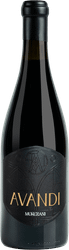
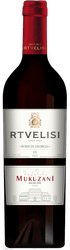
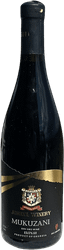
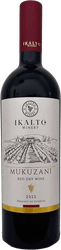
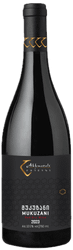
Mukuzani
3 min
Shop Mukuzani winesOverview
Mukuzani is Georgia's most iconic Protected Designation of Origin for dry red wine and the country's definitive expression of Saperavi. Produced exclusively from Saperavi grapes grown in the Mukuzani microzone of Kakheti, it is widely regarded as the benchmark for quality, structure, and consistency in Georgian red wine.
First officially recognized in 1888, Mukuzani set the standard for dry red winemaking in Georgia. Its classical style - deep color, full body, firm tannins, and measured oak influence - has long represented the meeting point between tradition and disciplined, modern craftsmanship.
Geography & climate
The Mukuzani PDO is located in the Gurjaani municipality, on the right bank of the Alazani River, at elevations ranging from approximately 350 to 750 meters above sea level. Vineyards occupy gentle slopes between the Kakheti Ridge and the Gombori Mountains, benefiting from extended sun exposure and natural drainage.
Soils consist primarily of light clay and loam with limestone sublayers, contributing to structure, minerality, and longevity. The continental climate - hot summers, cold winters, and pronounced day-night temperature variation - allows Saperavi to reach full phenolic ripeness while retaining freshness and aromatic depth.
Authorized grape varieties
- Saperavi - 100%
Mukuzani must be produced exclusively from Saperavi cultivated within the clearly defined boundaries of the Mukuzani PDO.
Wine styles & characteristics
- Color: deep garnet to nearly opaque ruby
- Aroma: black cherry, ripe plum, cassis, subtle oak spice, and tobacco
- Taste: full-bodied and dry, with firm tannins, balanced acidity, and a long, structured finish
- Alcohol: typically 13-14.5%
- Aging: minimum total aging of 2 years, including at least 1 year in oak barrels
Mukuzani integrates Saperavi's natural intensity with controlled oak maturation, resulting in a wine that is powerful yet composed, built for both immediate presence and long-term aging.
Taste profile
- Aromas: dark berries, clove, cedar, and roasted coffee
- Palate: layered and concentrated, with ripe fruit, firm tannins, and well-integrated oak
- Finish: long, dry, and refined, often marked by notes of dark chocolate or gentle smokiness
The finest examples of Mukuzani are defined by balance - strength without heaviness, depth without excess.
Production rules
According to regulations of Georgia's National Wine Agency:
- Grapes must originate exclusively from the Mukuzani microzone
- Maximum yield: 8 tons per hectare
- Alcohol: minimum 12%
- Only dry wines are permitted under the PDO
- Oak aging is mandatory for at least 1 year, with total aging not less than 2 years
Food pairing
Mukuzani's structure and depth make it well suited to robust, savory cuisine:
- Grilled or roasted beef and lamb
- Game meats such as duck or venison
- Mushroom-based dishes and aged cheeses
- Traditional Georgian dishes including khinkali, chakapuli, and mtsvadi
Serve at 17-18 °C and consider decanting for 30-45 minutes to allow the wine to fully open.
Summary
Mukuzani PDO (მუკუზანი) stands as the definitive expression of Georgian dry red wine - structured, ageworthy, and deeply rooted in place. Made from 100% Saperavi grown in a historic microzone, it balances intensity with elegance and remains the enduring reference against which all Georgian red wines are measured.